We all have past experiences we aren’t proud of. You’d be hard-pressed to find anyone without a few ancestral skeletons in the closet––but few take home the prize for cringeworthy family roots quite like Edward Tayloe II. Tayloe is your average 76-year-old guy from Virginia: he’s white, he's angry, and he just happens to come... Continue Reading →
The fine line between sex and obscenity; a First Amendment conundrum
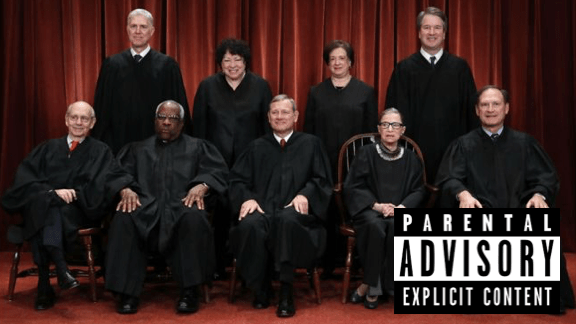
Anthony Lewis's Freedom for the Thought that we Hate tackled another taboo subject from our handy list of human rights this week. In his chapter titled "Another's Lyric," Lewis outlined how the Supreme Court decides what’s too raunchy for media and what isn’t. As one of mankind’s greatest motives, sex is a historically hot topic... Continue Reading →
STRAIGHT SHOT
While lying in bed checking my twitter feed, to my surprise, I saw a tweet of a campaign ad video. The headline of the video said “Family that defends it honor. The video seemed interesting, so I clicked on it. In the video were six siblings endorsing their brothers opponent. I watched it again... Continue Reading →
You Can’t Touch This &*$%!
When it comes to porn and vulgarities, the large majority of our society is used to seeing tumultuous conduct widespread throughout the internet, TV and in publications. Even when you aren’t expecting it, it appears. Culture has made us immune to a flash of boobs, a love scene or a well-screamed “fuck” within parameters. While... Continue Reading →
To Name a Source, or to Not Name a Source: That is the Question
There is no federal shield law to protect reporters from divulging sources in court. For years the issue has been contested and overruled. Now, it is conducted on a case-by-case basis. Reading from a chapter in Garrett Epps' The First Amendment: Freedom of the Press, this idea is discussed further. In 1970, United States v.... Continue Reading →
Soceity Changes, but does the Law?
Samuel D. Warren and Louis D. Brandeis once wrote in the Harvard Law Review of 1890, that, “ the common law, in its eternal youth, grows to meet the new demands of society.” They were asserting that when changes occur within our economical, political, and social structures, the law, in its nature, and with justice... Continue Reading →
Privacy: Sidis v. F-R Publishing Corp.
What I found most interesting in chapter five of Anthony Lewis’ Freedom for the Thought That we Hate, is the initial case, Sidis v. F-R Publishing Corporation. In this case, a young man, who was thrust into the spotlight, without his consent, was exposed later in life. William James Sidis was made famous by his... Continue Reading →
Our Time, Our Voice
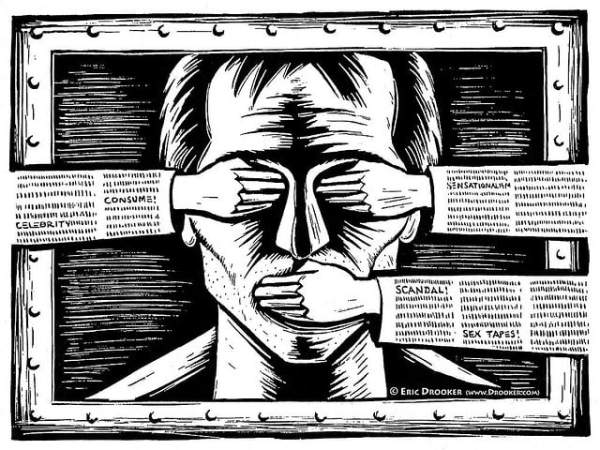
In the fourth chapter of Freedom For the Thought that We Hate, written by Anthony Lewis, the author highlights the Sullivan lawsuit. This suit is used as an example to display that if there were legal risks connected with reporting, journalists and civilians could be less likely to voice their opinions or criticisms. Instead of... Continue Reading →